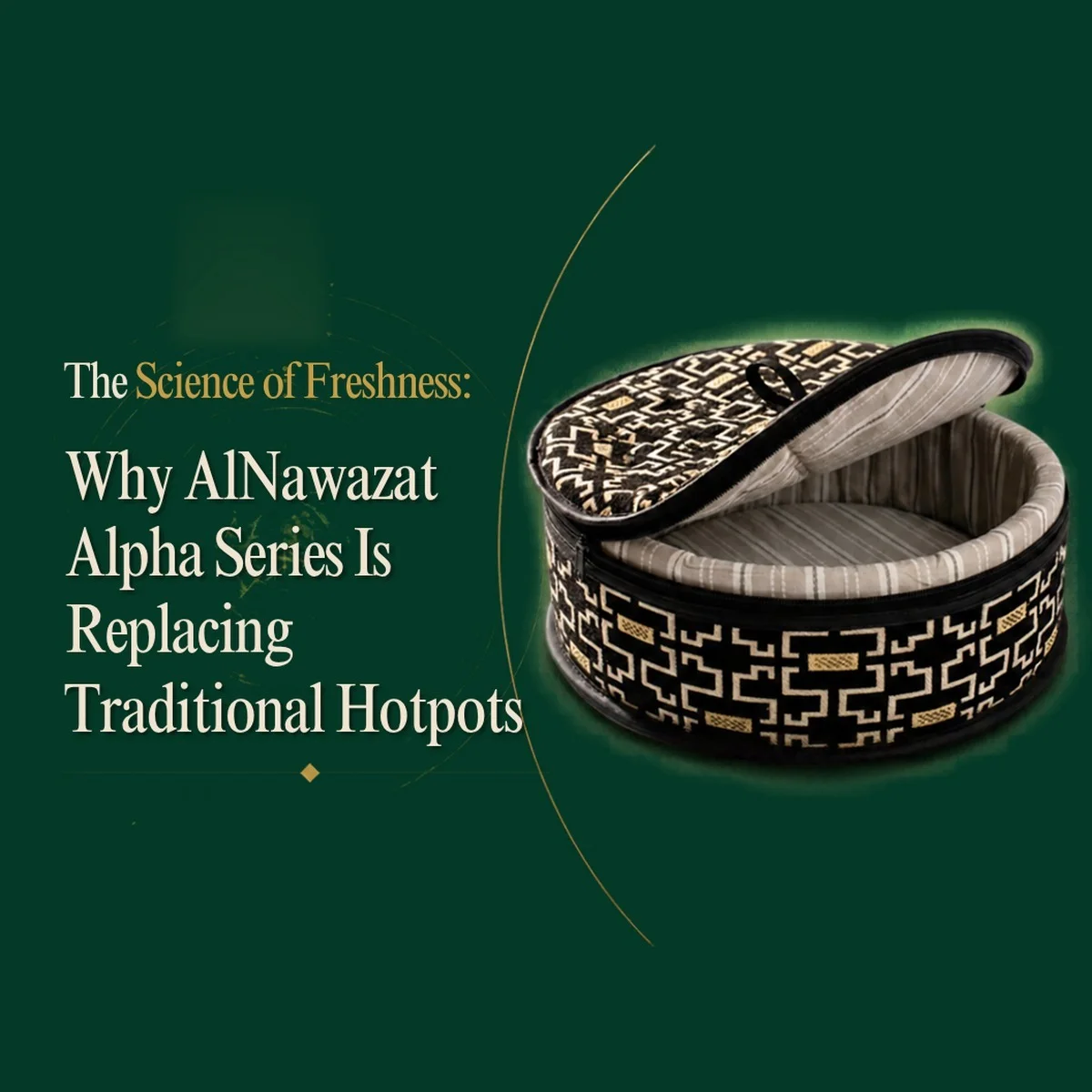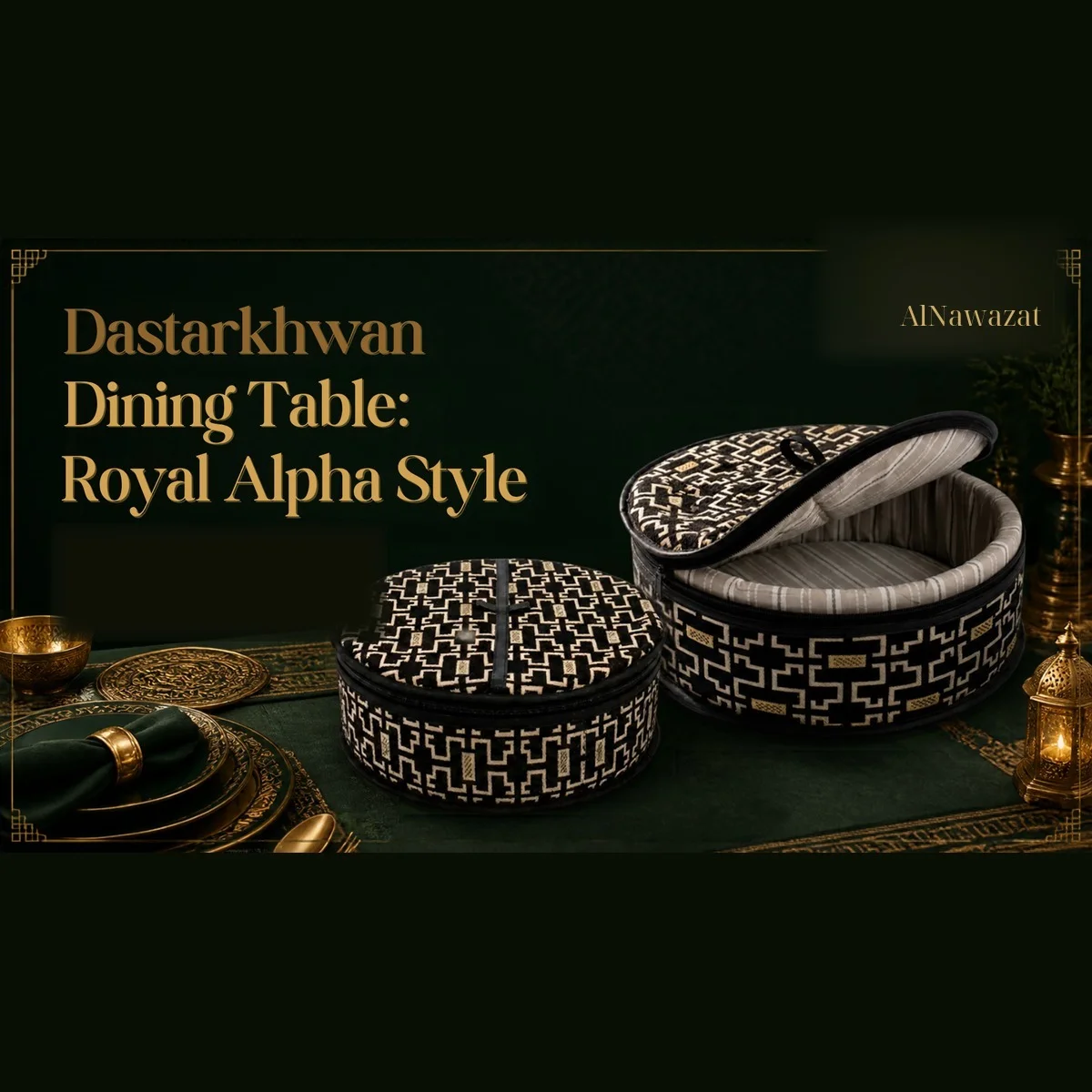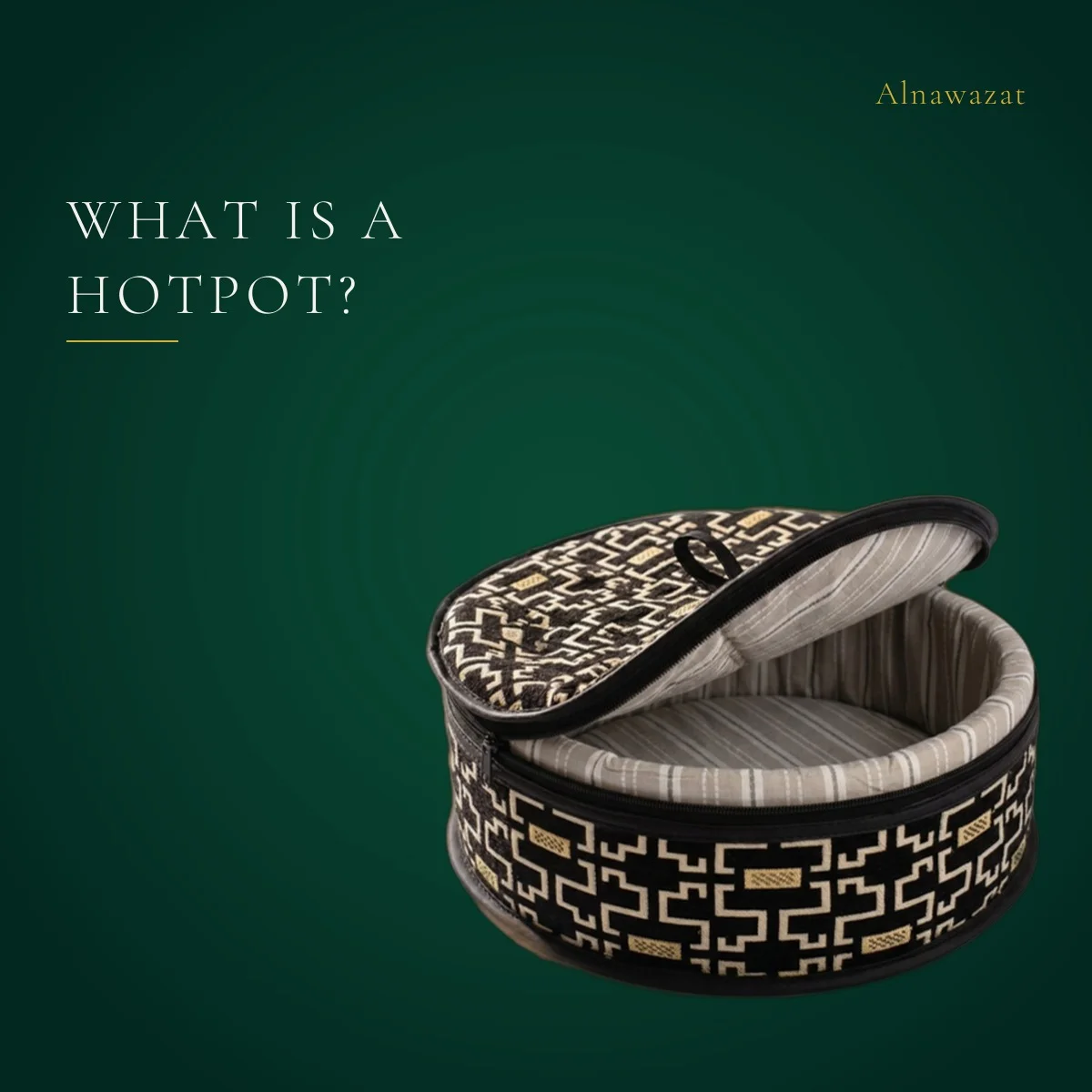
A hotpot is an insulated container that keeps cooked food warm for hours after it leaves the stove. In a Pakistani home, it usually means one thing: the round, lidded container on the dastarkhwan that keeps rotis soft and salan warm from cooking time until everyone has eaten. But the same word also covers steel casseroles, plastic containers, and even a Chinese cooking pot with simmering broth — different products that share one idea: food should stay hot without reheating.
This guide explains what a hotpot is, the types you will find in Pakistan, how a fabric hotpot actually works, and what to check before you buy one.
Key Takeaways
- A hotpot is an insulated container that keeps food warm for hours — in Pakistan it most often means a fabric hotpot for rotis.
- A fabric hotpot works in three layers: embossed jacquard outside, 12mm insulation in the middle, and a breathable cotton lining inside.
- A good fabric hotpot keeps rotis warm for 6–8 hours and holds 12–15 rotis; a basic cover states no warmth figure at all.
- The word "hotpot" also means a Chinese cooking pot (shabu-shabu) — a different product for cooking at the table, not storing cooked food.
- Check insulation in mm, warmth in hours, and roti capacity before you buy — a seller who states none of these is selling a cover, not a hotpot.
What Is a Hotpot, Exactly?
A hotpot is any lidded, insulated container built to hold heat. You cook the food, put it in the hotpot, close the lid, and the insulation slows the heat escaping — so the food is still warm hours later, without a flame underneath and without reheating.
In Pakistan, the word is used most for roti. Rotis go stale fast: they dry out, turn stiff, and lose their softness within an hour on an open plate. A fabric hotpot solves exactly that — it holds a stack of rotis in a warm, closed space, so the last roti eaten is nearly as soft as the first one cooked.
The same word also describes two other things, and mixing them up is the most common confusion when shopping:
- The Pakistani hotpot (storage): a fabric, steel or plastic container for keeping already-cooked food warm — rotis, salan, rice. This is what this guide, and this whole series, is about.
- The Chinese hotpot (cooking): a pot of simmering broth placed on a burner at the dining table, where raw meat, vegetables and noodles are cooked in the broth as you eat. It is a cooking method and a meal, not a storage container. (Days 20–23 of this series cover it in full.)
If a listing shows a pot with a burner, a plug, or raw ingredients going into boiling broth, it is the Chinese kind. If it shows a closed, lidded container with rotis inside, it is the Pakistani kind.
The Types of Hotpot in Pakistan
| Type | What it is | Price seen (Nov 2026) | Best for |
|---|---|---|---|
| Fabric hotpot | Insulated cloth container with zip and lining | Rs. 1,299 (branded, insulated) | Daily rotis — the Pakistani standard |
| Steel hotpot / casserole | Polished steel insulated container | Rs. 3,499 – Rs. 9,599 | Formal serving, long life |
| Plastic container | Thin plastic box with a lid | Rs. 299 – Rs. 699 | Short-term covering, not real insulation |
| Velvet hotpot | Velvet-covered insulated container | Rs. 3,499 – Rs. 4,299 | Gifts and formal occasions |
| Electric hotpot | A cooking appliance with a heating base | — (a cooker, not a storage hotpot) | Cooking at the table, not keeping rotis warm |
| Chinese hotpot | Broth pot + burner for table cooking | — (a meal, priced per restaurant visit) | Eating out or cooking together at home |
Fabric is the everyday choice in Pakistani homes because it is light, washable, and made for rotis. Steel lasts longer and looks formal on a dining table, but costs three to seven times more. Plastic is cheap but barely insulates — it is a cover, not a hotpot. Velvet is a premium gift product: it looks rich but shows marks and is harder to keep clean. Electric and Chinese hotpots are not storage at all — they cook food, they do not keep cooked rotis warm.
How a Fabric Hotpot Works
A fabric hotpot keeps food warm with three layers, not one thick wall:
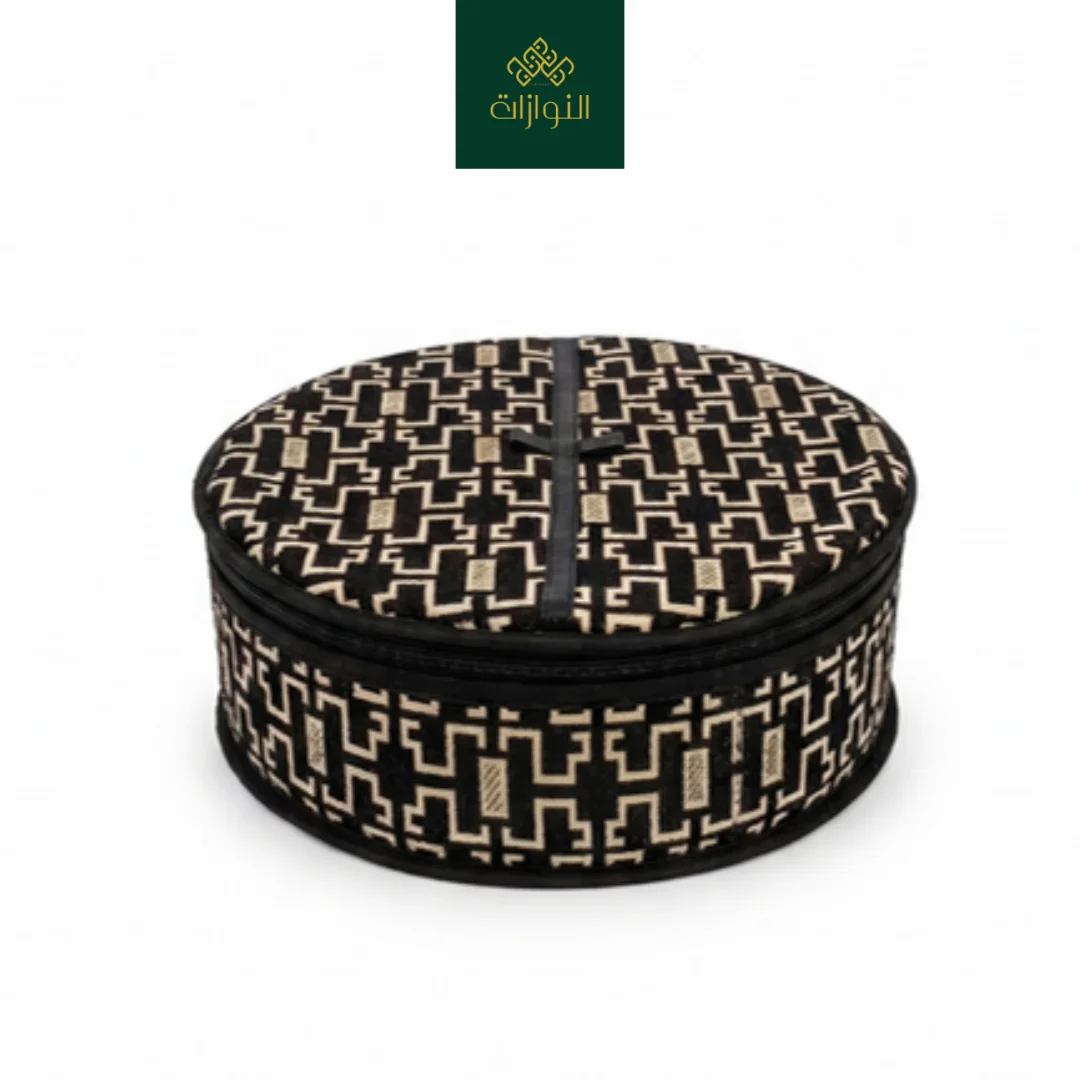
- Outside — embossed jacquard fabric. The decorative outer cloth. It gives the hotpot its look, resists wear, and wipes clean. AlNawazat's Alpha range is jacquard, not velvet.
- Middle — 12mm Jumbolon insulation. The working layer. Twelve millimetres of insulation is what slows the heat escaping — this is the number that separates a hotpot from a cover. A listing that says "insulated" without a mm figure tells you nothing.
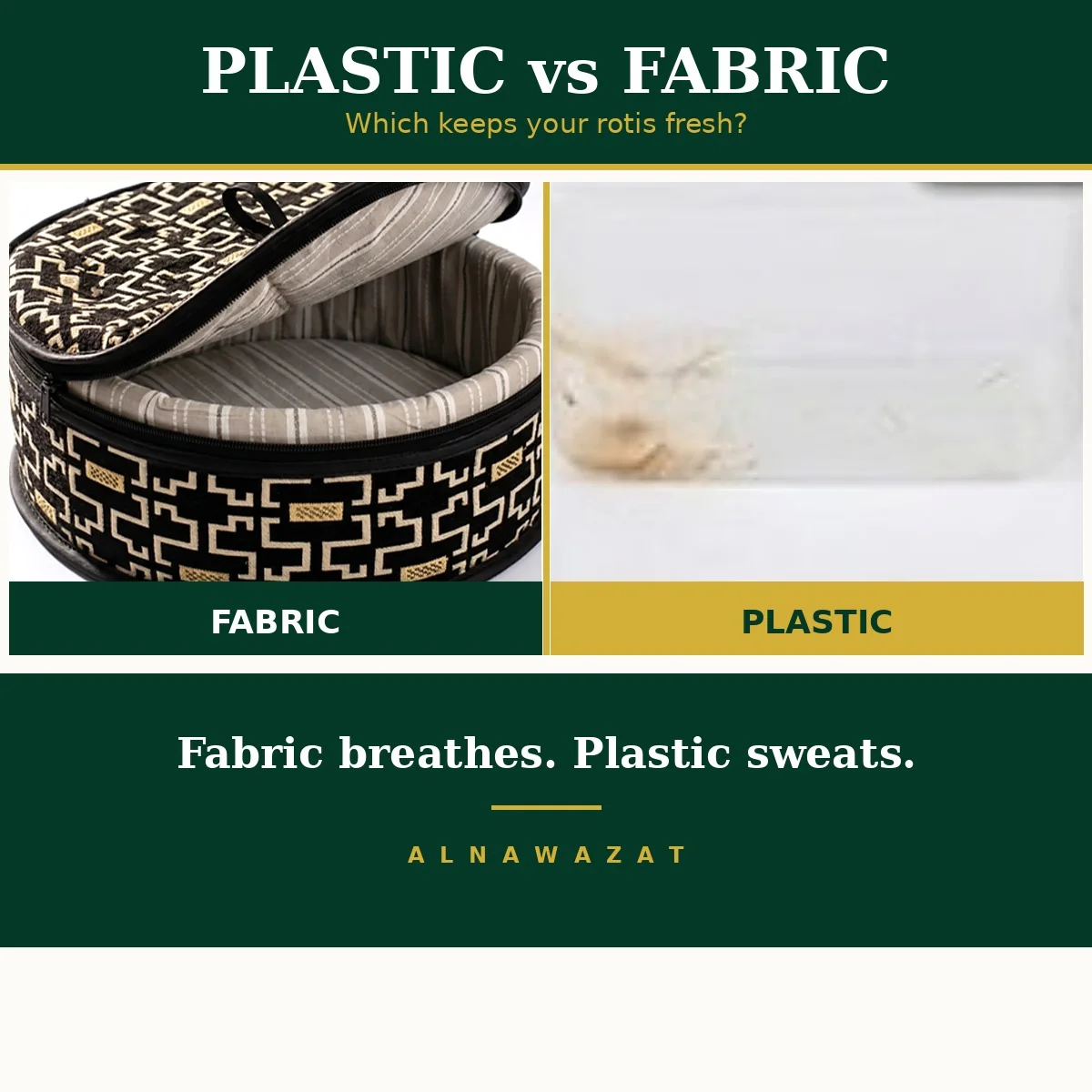
- Inside — breathable cotton lining. The lining touches the food. It lets a little steam escape so rotis stay soft instead of going soggy, while the insulation holds the warmth in.
The lid closes with a heavy-duty zip that runs almost all the way around — about 320 degrees, with a small gap at the back. When the zip is closed, the warm air stays inside; when you open it, you take out what you need and zip it shut again. That is the whole mechanism: insulation plus a closed lid, no electricity, no flame.
The result, stated plainly: a Zest & Zip fabric hotpot keeps rotis warm for 6–8 hours. One hotpot holds 12–15 rotis; the 3-piece set holds 36–45. Cheap covers state no warmth figure and no capacity at all — which is how you tell them apart before you pay.
What a Hotpot Is Used For in a Pakistani Home
The daily job is rotis. Rotis are cooked in a batch, and the family eats over the next hour or two — sometimes longer when guests are over. Without a hotpot, the last rotis are cold and stiff. With one, the whole batch stays soft until it is finished.
The other jobs are the same idea with different food:
- Salan and rice — kept warm on the dastarkhwan so second helpings are still hot.
- Guests and dawats — food cooked early stays warm until guests arrive, without reheating.
- Tiffin and travel — a hotpot carries warm food to the office, to a relative's home, or on a journey.
- Ramadan and Eid — large batches cooked at once, served warm over hours.
A single hotpot is enough for one family's daily rotis. Two hotpots — one for rotis, one for salan — suit a bigger household. The 3-piece set (any three colours) suits family dining and works as a wedding or housewarming gift, because each piece holds a different dish.
How to Choose a Hotpot (Short Checklist)
- Insulation in mm: 12mm is the stated figure on a good fabric hotpot. No figure means no proof.
- Warmth in hours: 6–8 hours is the stated figure. No hours means the seller will not stand behind the claim.
- Capacity in rotis: 12–15 per hotpot. Diameter in cm is not stated anywhere for the Alpha range — check rotis, not centimetres.
- Fabric: washable embossed jacquard, not plain cloth. Velvet is a different product for gifts, not daily use.
- Zip: a heavy-duty zip that closes almost all the way around — a hotpot that does not close properly does not hold heat.
- Delivered total: a single Zest & Zip costs Rs. 1,299 plus Rs. 250 delivery — Rs. 1,549 in total. The Twin is Rs. 2,499 with delivery included, and the 3-in-1 bundle is Rs. 2,999 with free delivery. Always compare the delivered total, not the headline price.
- Replacement: AlNawazat offers a 7-day replacement if the order arrives wrong or damaged. A seller with no replacement policy is selling at your risk.
Frequently Asked Questions
What is a hotpot used for?
In Pakistan, a hotpot is used to keep cooked food — mostly rotis, but also salan and rice — warm for hours after cooking, without reheating. It sits on the dastarkhwan and is opened each time food is served.
What is a fabric hotpot?
A fabric hotpot is an insulated cloth container — jacquard outside, 12mm insulation in the middle, cotton lining inside — with a zip lid. It keeps rotis warm for 6–8 hours and holds 12–15 rotis per piece.
Is a hotpot the same as a Chinese hotpot?
No. A Pakistani hotpot stores already-cooked food and keeps it warm. A Chinese hotpot is a pot of simmering broth on a burner at the table, used to cook raw ingredients as you eat. Same word, different product.
How long does a hotpot keep food warm?
A good fabric hotpot keeps rotis warm for 6–8 hours (12mm insulation). Cheap covers state no warmth figure at all, and steel hotpots vary by brand — check the stated hours, not the material alone.
What is the price of a hotpot in Pakistan?
A branded insulated fabric hotpot costs Rs. 1,299 (Rs. 1,549 with delivery) at AlNawazat; basic uninsulated covers sell for Rs. 299–699; steel hotpots cost Rs. 3,499–9,599; velvet hotpots Rs. 3,499–4,299.
How many rotis does a hotpot hold?
One Zest & Zip fabric hotpot holds 12–15 rotis. The 3-piece set holds 36–45 rotis in total.
The Bottom Line
A hotpot is an insulated container that keeps cooked food warm for hours — and in Pakistan, it means a fabric hotpot for rotis first of all. Judge it on three numbers: insulation in mm, warmth in hours, and capacity in rotis. A hotpot that states 12mm, 6–8 hours and 12–15 rotis is a hotpot. One that states none of them is a cover with a lid.
For the full buying checklist, read Day 1: Fabric Hotpot in Pakistan: The Complete 2026 Buying Guide. For every type and every price, read Day 2: Hotpot Price in Pakistan (2026): The Complete Price Guide. For fabric prices in detail, read Day 3: Fabric Hotpot Price in Pakistan (2026): What a Good One Should Cost. To see the range — the three colours, the Twin and the 3-in-1 — see the Alpha Single Hotpot collection and the full hotpot range, or browse the shop.
Key Takeaways:
- A hotpot is an insulated container that keeps food warm for hours — in Pakistan it most often means a fabric hotpot for rotis.
- A fabric hotpot works in three layers: embossed jacquard outside, 12mm insulation in the middle, and a breathable cotton lining inside.
- A good fabric hotpot keeps rotis warm for 6–8 hours and holds 12–15 rotis; a basic cover states no warmth figure at all.
- The word "hotpot" also means a Chinese cooking pot (shabu-shabu) — a different product for cooking at the table, not storing cooked food.
- Check insulation in mm, warmth in hours, and roti capacity before you buy — a seller who states none of these is selling a cover, not a hotpot.